


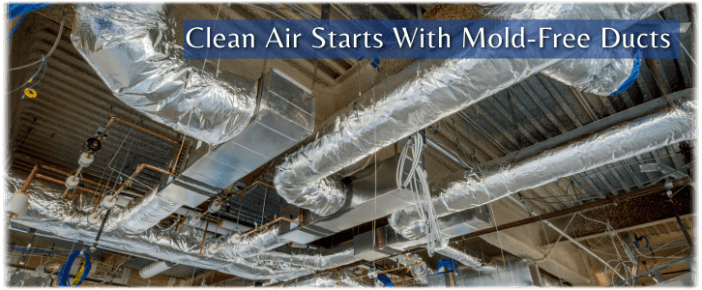
Prompt air duct mold removal in Cypress, TX helps homeowners address unwanted growth inside residential ventilation systems. Cypress experiences long, humid summers that can create moisture challenges around cooling equipment and ductwork. Consequently, condensation and persistent dampness may encourage mold growth on suitable surfaces. Our team evaluates accessible ventilation areas, identifies suspicious contamination, and recommends appropriate solutions. Call (346) 229-1997 today to schedule an evaluation before moisture problems become more extensive.
Professional Air Duct Mold Removal in Cypress, TX
Mold requires moisture to develop and spread. Therefore, effective treatment starts with identifying affected areas and understanding the source of damp conditions.
Our technicians begin by examining accessible duct sections and surrounding HVAC components. Next, we look for visible microbial growth, condensation, and moisture-related damage.
Professional mold removal from air ducts targets contaminated surfaces using methods appropriate for the affected materials. Additionally, we explain when damaged insulation or extensive growth may require specialized remediation.
We avoid recommending unnecessary chemical treatments without evidence. Instead, we focus on practical solutions based on actual system conditions.
Why Cypress Homes Experience Duct Mold Problems
Cypress experiences hot summers, frequent humidity, and extended air conditioning use. Consequently, residential cooling systems regularly manage moisture while maintaining comfortable indoor temperatures.
However, condensation can develop when humid air contacts sufficiently cold surfaces. Damaged insulation, leaking ducts, or drainage problems may also contribute to unwanted dampness.
Homes throughout Bridgeland, Towne Lake, Fairfield, and Coles Crossing face similar seasonal conditions. Meanwhile, properties near Cypress Creek may experience additional moisture concerns during heavy rainfall.
Many houses across ZIP codes 77429 and 77433 contain attic ventilation systems. Therefore, homeowners should pay attention to hidden moisture problems around duct connections and insulation.
A professional air duct mold inspection can help identify visible concerns before contamination becomes more difficult to manage.
Signs You Need Air Duct Mold Removal in Cypress, TX
Persistent musty odors often encourage homeowners to investigate their ventilation systems. For example, unusual smells may become stronger when the air conditioner starts running.
You might also notice suspicious discoloration around accessible vents. Additionally, recurring condensation near registers can indicate excessive moisture.
However, dark residue does not automatically confirm mold. Dust, dirt, and other deposits can create similar appearances.
Therefore, professional evaluation helps determine whether contamination requires attention. If you discover extensive growth or recurring water damage, seek appropriate assessment before disturbing affected materials.
Careful Treatment for Affected Ventilation Surfaces
Effective duct mold remediation considers both contamination and the moisture conditions that encourage growth. Simply covering suspicious surfaces with chemicals cannot correct persistent leaks.
First, we examine accessible affected areas. Next, we consider suitable cleaning methods and identify materials that may require replacement.
Furthermore, we explain visible moisture concerns that deserve additional attention. Clear communication helps homeowners understand appropriate next steps.
Related HVAC mold removal may address contamination around suitable cooling components. Meanwhile, air duct cleaning removes ordinary dust and debris from ventilation passages.
Other maintenance services address separate concerns. For example, ductwork inspection helps identify damaged connections, while AC coil cleaning removes buildup from cooling surfaces.
Additionally, dryer vent cleaning removes lint from dryer exhaust lines. Each service serves a different purpose, so we recommend work according to actual conditions.
Help Prevent Mold From Returning
Removing existing contamination addresses only part of the problem. Therefore, controlling moisture remains essential for long-term results.
Homeowners should correct leaks, drainage problems, and persistent indoor humidity. Additionally, routine HVAC maintenance can help identify developing moisture concerns earlier.
Our approach emphasizes practical recommendations and careful evaluation. Moreover, we explain when specialized remediation or additional repairs may become necessary.
We want homeowners to understand their options without unnecessary pressure. That means focusing on visible evidence and appropriate solutions.
Schedule Your Cypress Duct Mold Service Today
Do not ignore suspicious growth, recurring moisture, or persistent musty odors. Instead, investigate these warning signs before conditions become more complicated.
Call (346) 229-1997 today to arrange professional service. Our team provides careful evaluations, targeted recommendations, and clear communication. Address unwanted contamination and moisture concerns promptly with professional air duct mold removal in Cypress, TX.
Frequently Asked Questions
What causes mold growth inside residential air ducts?
Excess moisture creates conditions that support mold growth. Condensation, air leaks, drainage problems, and high indoor humidity can contribute to damp duct surfaces.
Can regular duct cleaning eliminate every mold problem?
No. Mold concerns may require specialized cleaning, moisture correction, or replacement of contaminated porous materials. A professional evaluation helps determine the appropriate solution.
When should Cypress homeowners schedule professional duct mold service?
Schedule an evaluation when you notice suspicious growth, persistent musty odors, or recurring moisture around ventilation components. Professional air duct mold removal in Cypress, TX can address affected areas and help identify conditions that encourage future growth.
“`